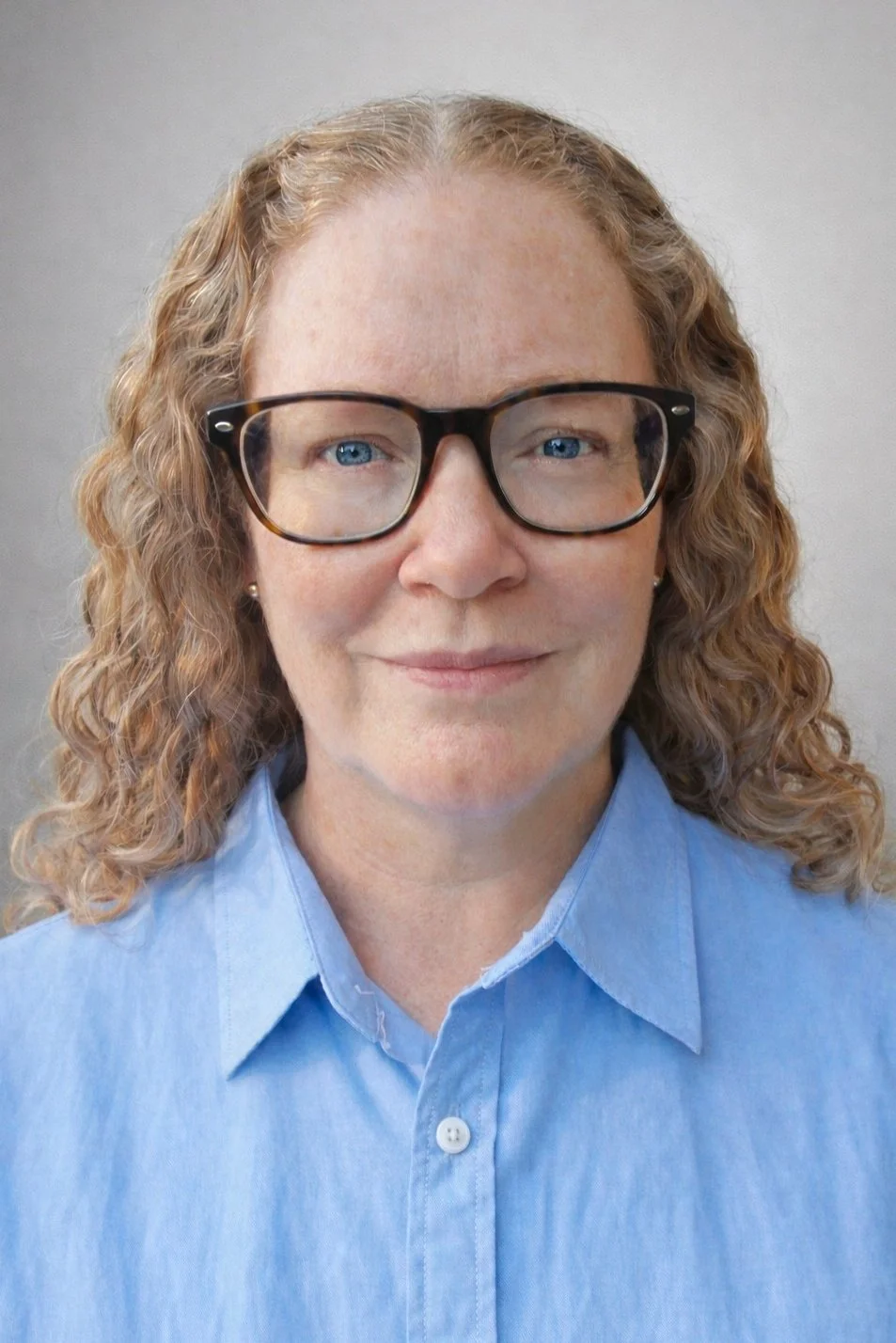
Anne Kelly, PhD
You have a job to do. This is mine.
This work matters, and it takes time to do well. It asks people to think through situations they may not fully know how to navigate and to make decisions in areas outside their usual expertise. I help carry that part so your team, and you, can stay focused on the people you serve, your mission, and the responsibilities already in front of you.
After seeing what happens when organizations are unprepared, I built my work around helping them respond better. As a psychologist with more than 20 years of experience in education, organizational leadership, and suicide prevention and postvention, I help organizations strengthen policy and response for suicide, suicide attempts, mental health emergencies, traumatic loss, and other high-impact people-centered situations.
I develop practical guidance and response systems, including checklists, templates, communication tools, role guidance, and decision support for schools, universities, military communities, public health systems, and other organizations.
Having resources is not the same as being prepared.
Many organizations rely on borrowed templates, disconnected materials, or rushed solutions pulled together under pressure. Those resources can be useful starting points, but they often leave gaps, do not fully fit the organization, and create confusion when people need clarity the most.
I help you move beyond disconnected materials by identifying what actually fits your organization and bringing it together into guidance your team can use.
About Anne
Anne Kelly is a psychologist and policy and response advisor whose work focuses on suicide prevention, intervention, post-intervention, and postvention. She supports military communities through suicide postvention work conducted under Department of Defense contract support and helps organizations develop clear, practical guidance for suicide, mental health crises, and traumatic loss.
Her work has spanned policy development, psychological autopsy, retrospective fatality analysis, resource identification, community assessment, project management, and the use of data analytics to inform planning, evaluation, and decision-making. She also brings training in Agile project management, which supports structured, responsive work in complex environments. Her approach is informed by work with survivors of suicide loss and others with lived experience, with a focus on support that is thoughtful, practical, and grounded in real-world needs.
She is a former Dean and Psychology Department Chair and currently serves as Chair of the National Association of Retrospective Fatality Analysis. She has also served on multiple nonprofit boards and played a role in legislative task forces and statewide initiatives focused on suicide prevention and postvention and community well-being.